Love Your Garden, Love Our Wildlife: Celebrating Garden Wildlife Week

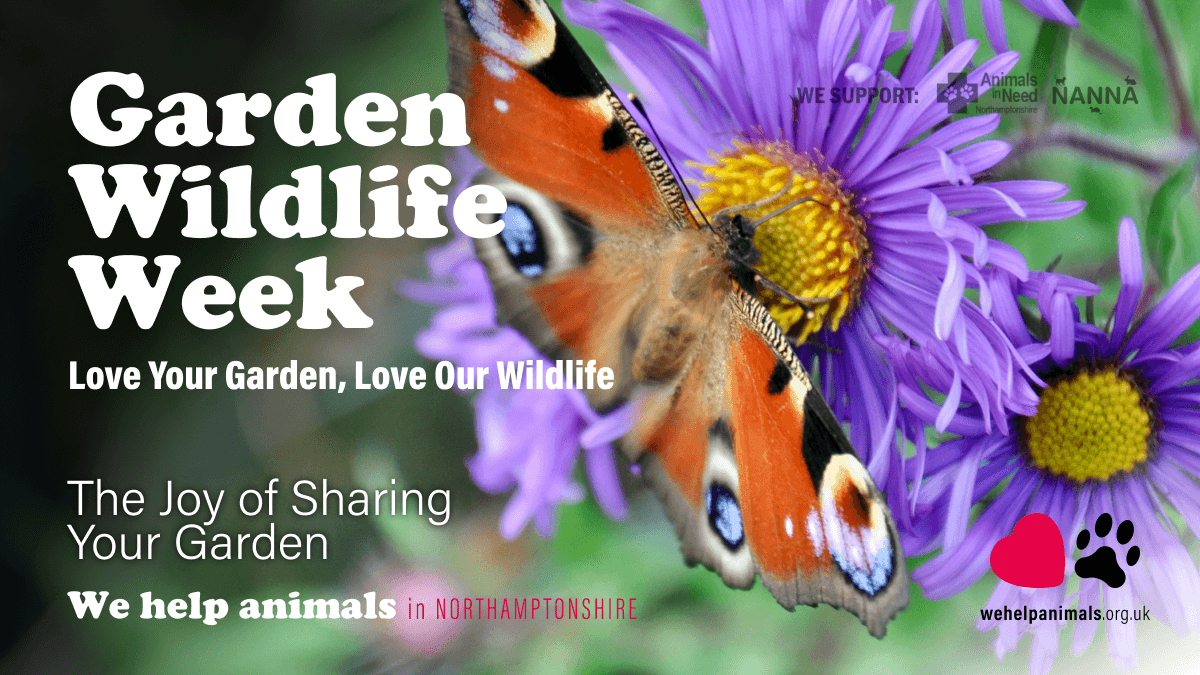
It’s Garden Wildlife Week!
Imagine a garden alive with wildlife – you can make it happen! Garden Wildlife Week, celebrated annually at the end of May, shines a spotlight on the incredible diversity of wildlife that can thrive right outside our doors.
This special week encourages everyone to discover the joy of sharing our gardens with birds, bees, hedgehogs, and many more fascinating creatures – and to take simple steps that make a real difference for nature.
Your garden is more than just a pretty space; it’s an increasingly important sanctuary for the UK’s wild animals. As urban areas expand and natural habitats shrink, our backyards, balconies, and even window boxes offer crucial lifelines. This special week, running from 26 May to 1 June, is the perfect time to celebrate this potential and empower ourselves to make a tangible difference for the creatures that share our landscapes.
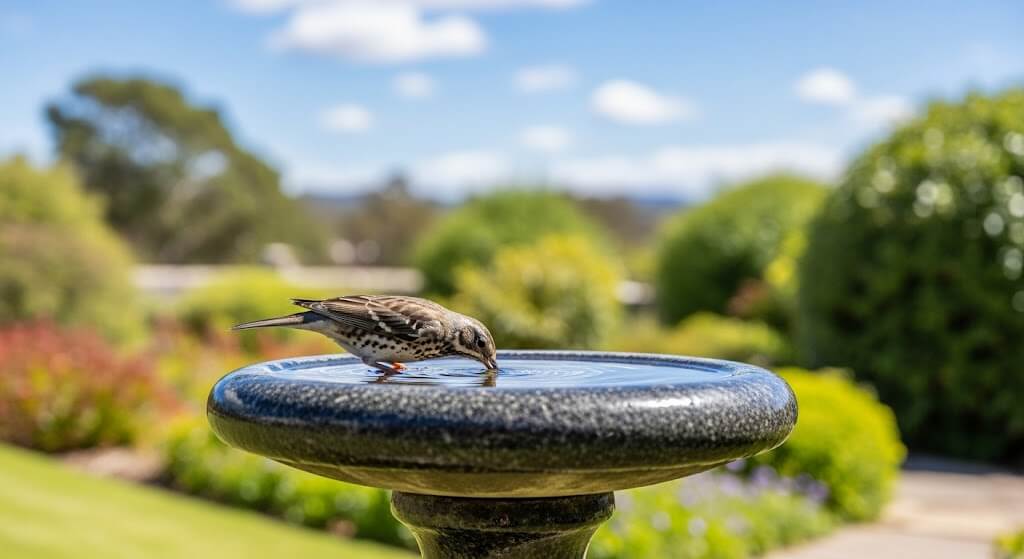
Why Our Gardens Are So Important for UK Wildlife
While the UK is a nation of animal lovers, our wildlife faces serious challenges. Since 1970, the UK’s wildlife populations have declined by an average of 19% – with nearly one in six species now threatened with extinction (State of Nature Report 2023).
Gardens, which cover between 430 and 520,000 hectares of urban land (RHS Gardening / Office for National Statistics), have become vital refuges for many species whose natural habitats are disappearing.
These numbers highlight both the challenges and the opportunities: our gardens can become lifelines for struggling wildlife. By making small, wildlife-friendly changes, you can help reverse the decline in garden species and enjoy the beauty and wonder of nature up close.
Key Statistics:
Here are some fascinating insights into UK garden wildlife:
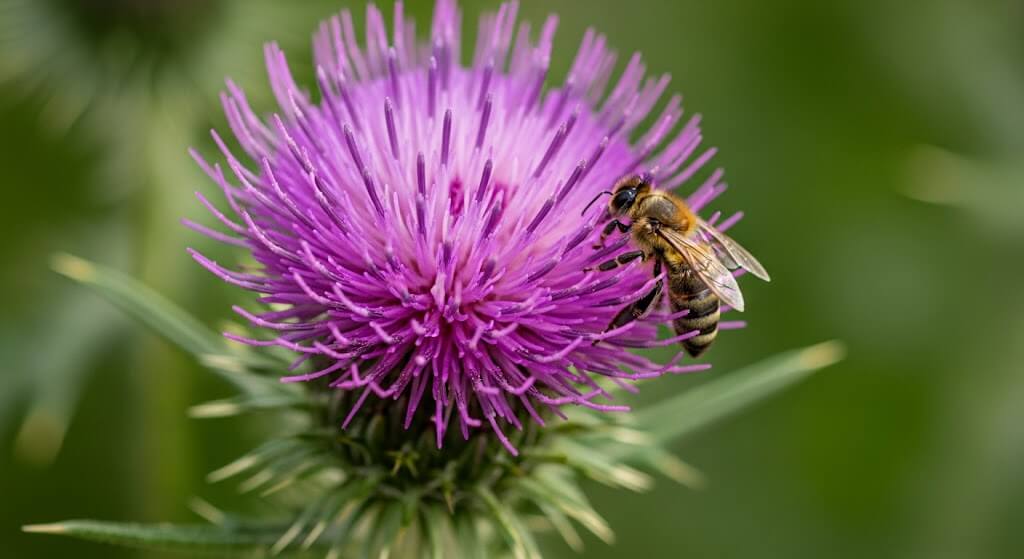
- 60.5% of UK residents see birds in their gardens daily, but only 30.2% see bees every day.
- Hedgehog sightings have fallen dramatically: 39.6% of people didn’t see a hedgehog in their garden at all in the past year (PTES Hedgehog Street).
- Urban gardens now provide 85% of nectar for pollinators in cities (RHS Nectar Research).
Did you know?
Since 1970, the UK’s wildlife populations have declined by an average of 19% – with nearly one in six species now threatened with extinction (State of Nature Report 2023).
How Does Garden Wildlife Week Help?
Garden Wildlife Week is all about raising awareness and inspiring action. It shows us how simple, everyday choices in our gardens can have a profound impact on the natural world around us.
Every garden, no matter how small, can provide food, shelter, and safe spaces for wildlife.
Here are simple actions you can take to make a difference:
- Plant native flowers and shrubs for pollinators.
- Leave a wild corner or log pile for insects and hedgehogs.
- Put up bird feeders and nest boxes.
- Create a small pond or water dish for amphibians and birds.
- Avoid using pesticides and peat-based composts.
- Avoid cutting your trees and trimming scurbs between May and at least the end of July.
The Joy of Sharing Your Garden
Welcoming wildlife into your garden is not only good for nature – it’s good for you, too! Spending time in green spaces has been shown to reduce stress and improve wellbeing (NHS Green Social Prescribing). Watching birds, bees, and butterflies brings a sense of wonder and connection to the natural world.
Many people share heartwarming stories of hedgehogs visiting their gardens, or the delight of seeing a rare butterfly or a family of blue tits nesting in a homemade box. These moments remind us how important it is to protect and cherish the wildlife on our doorsteps.
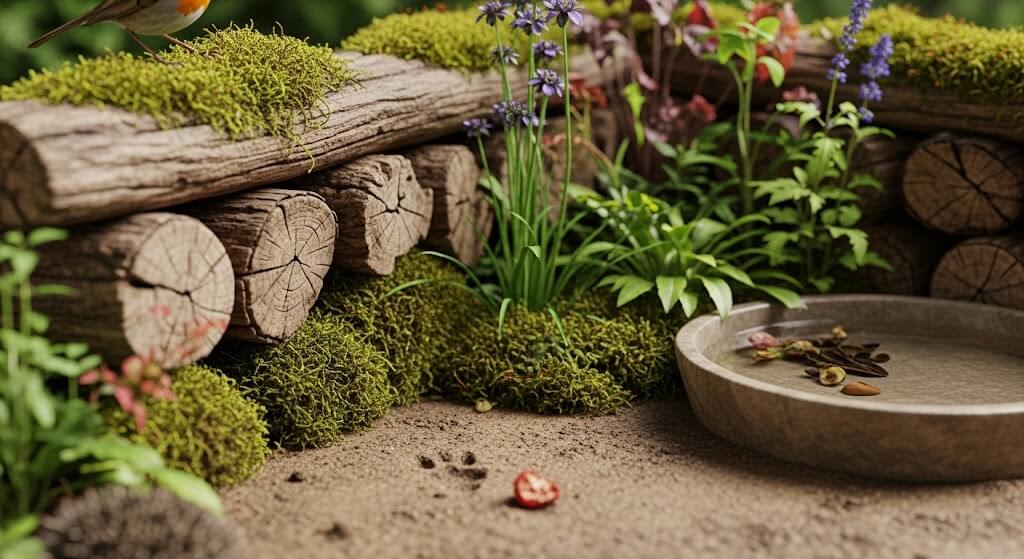
Trees mean life!
Trimming or cutting green, healthy trees risks destroying active bird nests, displacing nesting parents, and leaving eggs or vulnerable chicks exposed to predators and the elements — causing irreversible harm to local wildlife during their most critical time of year.
Please hold off till the end of summer if you can or at least for a few weeks between May and June where most birds are nesting.
How You Can Get Involved
If you live in Northamptonshire or beyond, We Help Animals supports local efforts to make gardens and green spaces more wildlife-friendly. We collect and distribute resources, raise awareness, and encourage everyone to take part in national events like Garden Wildlife Week.
How You Can Help with We Help Animals:
- Share your wildlife garden photos and tips on social media with #GardenWildlifeWeek.
- Volunteer with local nature groups or community garden projects. An example being the Kettering Nature Group or The Green Patch*
- Donate unwanted tools, seeds, or wildlife-friendly plants to community initiatives.
- Stay up to date with our latest news and events on wehelpanimals.org.uk.
Every action, big or small, helps us support wildlife in our communities.
You can contribute by donating unwanted items, volunteering your time, or staying informed about our latest initiatives through the news and events sections on our website. Every contribution, big or small, helps us continue our essential work in supporting animals in need.
Garden Wildlife Week: Make a Difference!
This year, Garden Wildlife Week runs from 26 May to 1 June but there is no bad time to join-in. Take this opportunity to discover the wildlife in your garden, make a positive change, and inspire others to do the same.
By getting involved, you’re not just helping birds, bees, and hedgehogs – you’re enriching your own life and helping to create a greener, more vibrant future for everyone.🌱🦔🐦
Should you like to learn more, we recommend these useful links.
Useful Links:
https://www.rhs.org.uk/wildlife
The State of UK Garden Wildlife (2024)
*The NHS recommends green-social-activities to their clients:
NHS Green-Social-Prescribing
If you were inspired by this article and you would like to help animals in the area with us, join us, or if you do not feel that it is for you but you have a friend who cares about animal welfare - let them know. We are looking for volunteers.
There are so many things to do. ❤🐾